





Table of Contents
Vineyard insurance and risk management are essential for protecting revenue in small and mid-sized vineyards. Weather volatility, market fluctuations, and unexpected crop losses can significantly impact income, making proactive strategies critical. At Clendenen Vineyard Management, we help vineyard owners identify risks and implement solutions that safeguard both short-term revenue and long-term vineyard profitability.
This guide breaks down common vineyard risks, available insurance options, risk hedging strategies, and a practical checklist to evaluate your current protection plan. For planning your year-round vineyard operations, see our annual vineyard planning checklist.
Vineyard Insurance and Risk Management: Understanding Risk Exposure
Vineyard risk encompasses a wide range of factors that can affect both yield and revenue. These risks are generally grouped into four main categories:
- Crop and Yield Risk – Includes damage to vines or fruit due to pests, disease, or unpredictable growth conditions.
- Weather-Related Risk – Covers losses from frost, hail, excessive rainfall, heat waves, or smoke exposure that can harm vine health or grape quality.
- Market and Revenue Risk – Considers fluctuations in grape prices, changing consumer demand, contract cancellations, and regional oversupply that can impact profitability. Diversifying vineyard operations with revenue diversification strategies can help stabilize income.
- Operational and Asset Risk – Addresses potential damage or loss of infrastructure, equipment, storage facilities, or liability incidents that can interrupt operations. Sustainable practices in this area, such as FAO sustainable irrigation practices, can help reduce operational risk and protect long-term vineyard productivity.
Each type of risk requires a tailored approach, combining insurance coverage, operational planning, and financial safeguards to minimize both immediate losses and long-term impact on vineyard operations. Understanding the nuances of each risk category allows vineyard managers to make informed decisions and prioritize the strategies that will have the most significant effect on protecting revenue.
Crop Insurance: Protecting Yield and Revenue with Vineyard Insurance and Risk Management
Crop insurance remains one of the most effective tools for vineyard revenue protection. Policies vary based on region, grape varietal, and production methods, but most are designed to compensate for yield or revenue losses resulting from uncontrollable events.
Typical coverage includes:
- Yield loss caused by natural events such as drought, pests, or disease
- Quality-related reductions that affect the marketability of grapes (available in some policies)
- Revenue declines linked to insured events
By stabilizing income during poor vintages, crop insurance allows vineyard owners to meet financial obligations such as loans, payroll, and replanting costs, ensuring operational continuity even in challenging seasons.
Frost, Hail, and Extreme Weather Risks for Vineyard Insurance and Risk Management
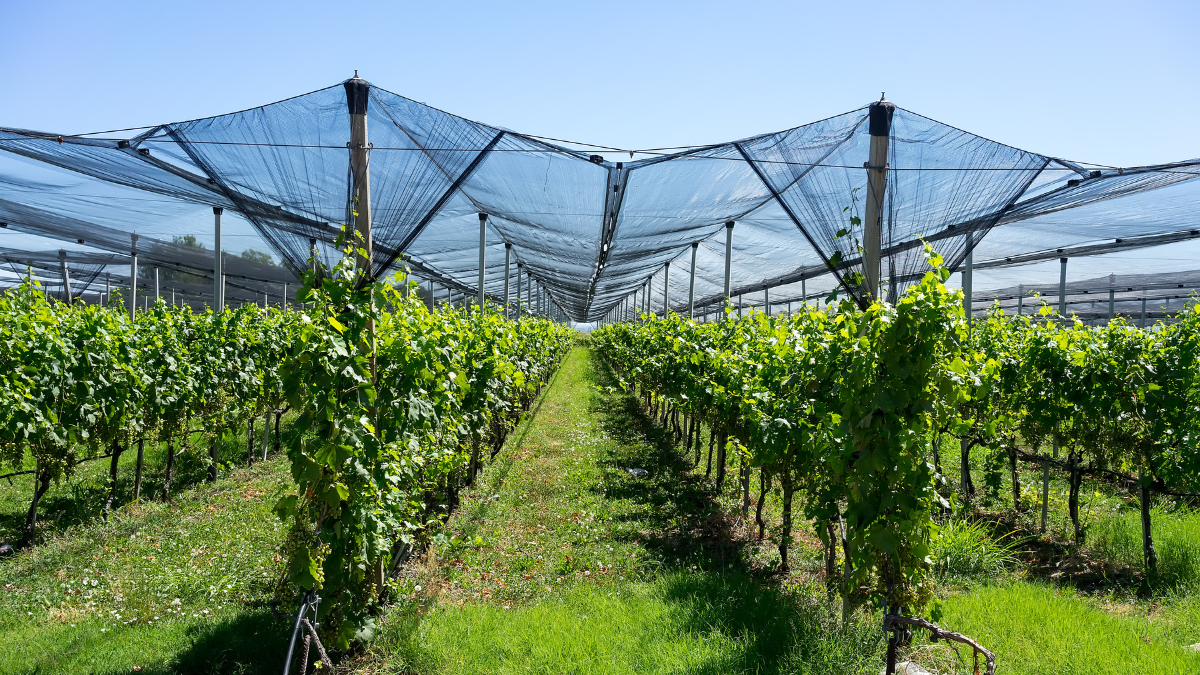
Weather remains one of the most unpredictable and potentially damaging risks for vineyards.
Frost Risk
Late spring frosts can severely damage new buds, reducing yields significantly. While frost protection measures like wind machines and sprinklers help, frost insurance provides a critical financial safety net when preventive efforts are insufficient.
Hail Risk
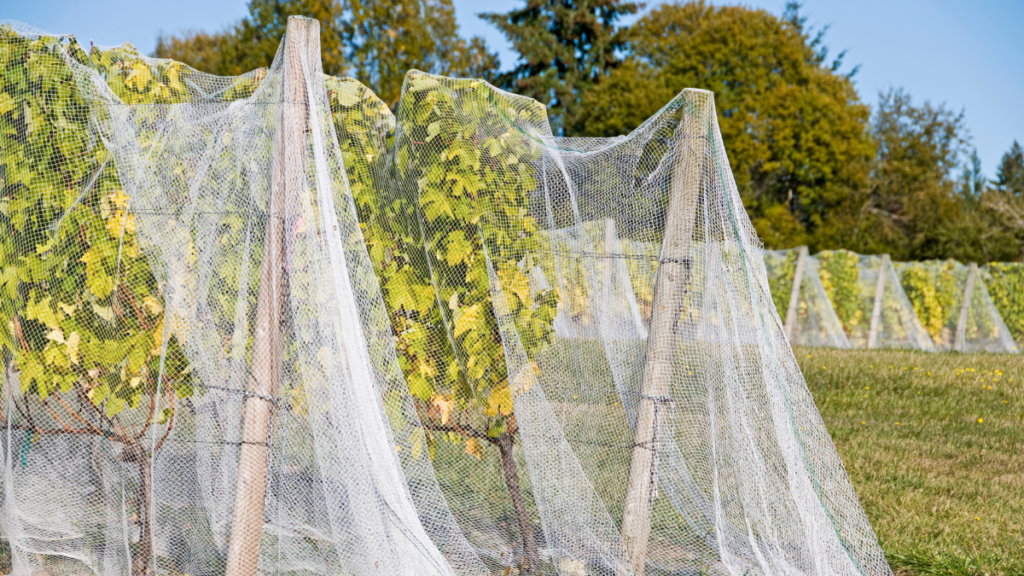
Hailstorms can cause immediate and extensive damage to both vines and fruit. Hail insurance typically offers coverage for individual events, fast claims processing, and, in some cases, protection for future crop impacts.
Extreme Weather
With climate patterns becoming increasingly volatile, heat waves, prolonged rainfall, and wildfire smoke exposure are growing concerns. Some insurance policies now include endorsements or riders that address these emerging threats, helping vineyards manage evolving environmental risks.
Market Risk and Revenue Protection Strategies
Even when harvests are strong, vineyard revenue is not guaranteed. Market risks can stem from fluctuating grape prices, changes in varietal demand, contract renegotiations or cancellations, and regional oversupply.
Managing these risks often requires a combination of insurance and strategic financial planning, including diversification of varietals, long-term sales agreements, and careful analysis of market trends to stabilize revenue streams. Implementing revenue diversification strategies helps mitigate the impact of market fluctuations.
Risk Hedging Strategies for Vineyard Insurance and Risk Management
Insurance is most effective when paired with broader risk management strategies:
- Diversified Block Planning – Planting multiple varietals or clones can reduce dependence on a single market or harvest period.
- Long-Term Grape Contracts – Multi-year agreements help stabilize pricing and ensure predictable cash flow.
- Geographic Risk Distribution – Maintaining vineyards across multiple locations limits exposure to localized weather events.
- Reserve and Contingency Planning – Maintaining cash reserves or access to flexible credit allows rapid response to unexpected losses without disrupting operations.
Operational and Asset Protection
Vineyard operations are also vulnerable to asset-related risks. It is essential to review insurance coverage for:
- Infrastructure, including trellising and irrigation systems
- Equipment and machinery
- Buildings, storage facilities, and warehouses
- Liability and worker safety
Failing to protect these assets can turn manageable incidents into costly, long-term setbacks.
Vineyard Risk Management Checklist
Use this checklist to evaluate your current vineyard protection plan:
- Crop insurance aligned with production value and risk tolerance
- Frost and hail coverage appropriate for your region
- Clear understanding of policy exclusions, deductibles, and claim processes
- Grape contracts reviewed for market exposure and stability
- Contingency plans for extreme weather events
- Asset and equipment insurance up to date
- Annual insurance policy review and risk assessment
- Reference our annual vineyard planning checklist to integrate risk evaluation into yearly operations
Why Proactive Risk Management Matters
A well-structured insurance and risk management plan allows vineyard owners to:
- Protect revenue during adverse events
- Ensure operational continuity
- Preserve long-term vineyard value
- Improve financial predictability and planning
By taking a proactive approach, vineyards can navigate seasonal challenges with confidence and make data-driven decisions to safeguard both their crop and their business. For broader vineyard management insights, see long-term vineyard profitability.
Conclusion
Insurance and risk management strategies are not one-size-fits-all. They should be tailored to vineyard size, location, varietals, and business goals. Clendenen Vineyard Management helps vineyard owners implement a balanced approach that integrates insurance coverage with operational planning, protecting current revenue while ensuring long-term growth and sustainability.