





Eco-friendly vineyard pest control is essential for maintaining healthy vines while reducing chemical use and protecting the environment. In this guide, we cover practical methods that vineyard owners can implement immediately.
At Clendenen Vineyards, we believe in sustainable, eco-friendly pest management that preserves the balance of our ecosystem while protecting our vines. Here’s how you can control vineyard pests naturally, without compromising soil health or biodiversity.
Table of Contents
- Encourage Beneficial Insects
- Use Cover Crops for Pest Control
- Maintain Vineyard Sanitation
- Optimize Irrigation and Canopy Management
- Invite Natural Predators
- Choose Organic and Low-Impact Sprays When Needed
- Regular Monitoring and Recordkeeping
- Final Thoughts
Eco-Friendly Vineyard Pest Control Strategies for Healthy Vines
1. Encourage Beneficial Insects
Not all bugs are bad. Beneficial insects are one of the vineyard’s greatest allies.
Key beneficial insects:
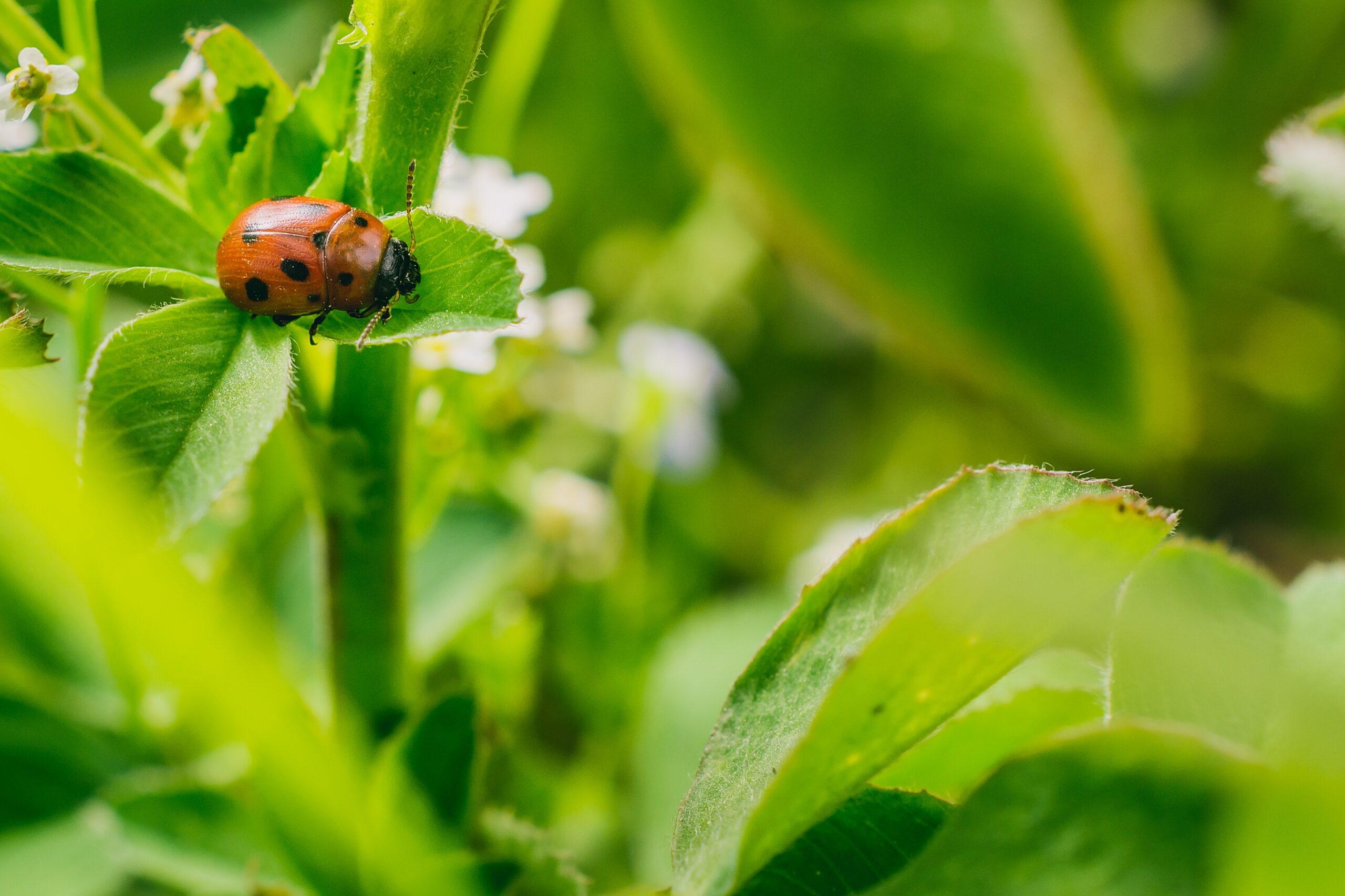
- Ladybugs and lacewings feed on aphids and mealybugs.
- Predatory mites help control harmful spider mite populations.
- Parasitic wasps naturally target pest eggs and larvae.
Pro Tip: Plant native wildflowers or cover crops like mustard and clover near vineyard rows to attract beneficial insects. Encouraging these natural predators reduces the need for chemical interventions and keeps your vineyard ecosystem thriving.
2. Use Cover Crops for Pest Control
Cover crops aren’t just great for soil health — they’re a powerful pest management tool.
- They disrupt pest life cycles by creating habitat diversity.
- Certain crops, like mustard, naturally release compounds that deter nematodes.
- They attract beneficial pollinators that enhance biodiversity.
At Clendenen Vineyards, we use targeted cover cropping to balance soil nutrients and manage pest pressure sustainably.
3. Maintain Vineyard Sanitation
Many vineyard pests overwinter in old leaves, canes, or ground debris. Simple cleanliness can go a long way.
- Remove fallen fruit and pruned material after harvest.
- Weed regularly to eliminate pest hiding spots.
- Compost vineyard waste properly, keeping piles away from vines.
making eco-friendly vineyard pest control more effective when spring arrives.
4. Optimize Irrigation and Canopy Management
Pests thrive when vines are stressed. Overwatering or poor airflow can create ideal pest conditions.
- Monitor moisture levels to prevent waterlogging.
- Thin the canopy for better light penetration and airflow.
- Inspect vines weekly during warm months to catch infestations early.
Balanced vine growth promotes resilience, and healthy vines naturally fend off many pests.
5. Invite Natural Predators
Birds, bats, and owls serve as nature’s pest control team.
- Barn owls consume thousands of gophers and rodents each year.
- Swallows and bats help reduce flying insect populations.
- Installing nesting boxes encourages these predators to inhabit your vineyard.
Eco Tip: Avoid broad-spectrum pesticides that could harm these natural allies.
6. Choose Organic and Low-Impact Sprays When Needed
When pest pressure rises, low-impact treatments can help maintain an eco-friendly approach.
- Use horticultural oils or sulfur sprays for mildew and mites.
- Apply biological controls such as Bacillus thuringiensis (Bt) for caterpillars.
- Always spray during calm weather and outside pollinator activity hours.
The goal isn’t eradication — it’s ecological balance.
7. Regular Monitoring and Recordkeeping
The key to long-term pest control is vigilance.
- Walk vineyard rows weekly and record pest sightings.
- Track population changes and note treatment effectiveness.
- Adjust methods seasonally to maintain ecological balance.
At Clendenen Vineyards, consistent monitoring allows us to prevent pest outbreaks before they impact vine health.
Final Thoughts
Eco-friendly pest control is about working with nature, not against it. By encouraging beneficial species, maintaining healthy vines, and reducing chemical dependency, vineyards can thrive sustainably for generations.
At Clendenen Vineyards, our approach to pest management protects both our vines and the environment, ensuring every bottle of wine reflects the pure character of Sonoma County and surrounding areas.