



Table of Contents
In an era where every vine counts and every dollar matters, precision viticulture on a budget is no longer reserved for large-scale operations. At Clendenen Vineyard Management, we see firsthand how small and mid-sized vineyards can leverage affordable technologies—from soil sensors and drones to data analytics—to optimize water use, improve grape quality, and increase profitability without major capital investment. For broader planning, see our technology planning checklist.
This guide explores practical, low-cost precision viticulture tools, the benefits they deliver, and realistic return-on-investment expectations for vineyards operating on tighter margins.
What Is Precision Viticulture?
Precision Viticulture on a Budget: Cost-Effective Strategies
Precision viticulture uses technology and data to measure and respond to variability across a vineyard, including soil conditions, vine vigor, microclimates, and canopy health. These insights support more accurate decisions around irrigation, fertilization, pest management, and harvest timing. By integrating precision viticulture with reducing labor costs strategies, vineyard managers can maximize efficiency without expanding staff.
The result is improved efficiency, reduced input waste, and more consistent fruit quality.
Low-Cost Precision Tools with High Impact
1. Soil and Microclimate Sensors
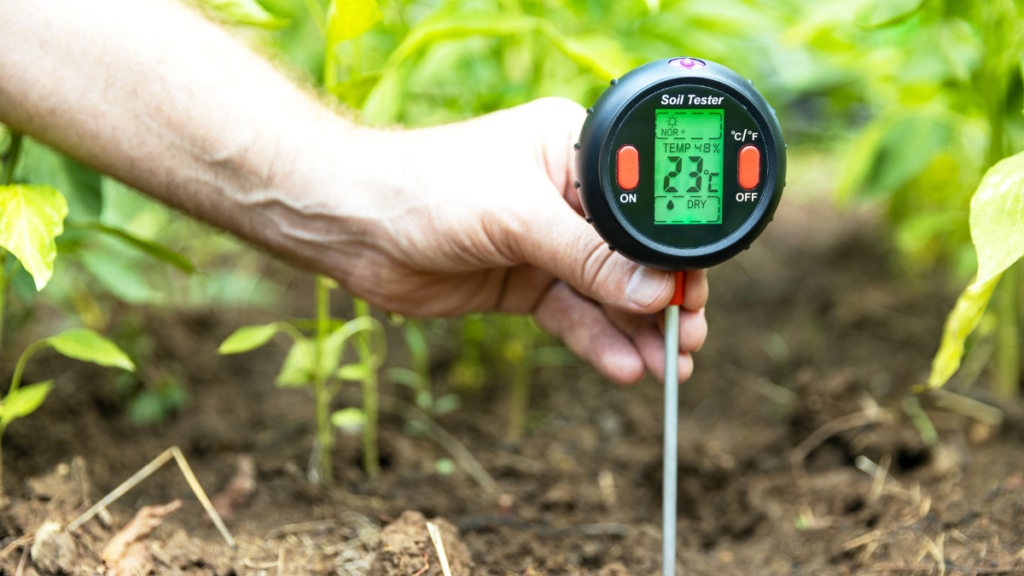
Affordable sensor systems allow growers to monitor:
- Soil moisture levels
- Soil temperature
- Electrical conductivity
- Air temperature and humidity
These sensors provide real-time data that supports more precise irrigation scheduling, reduces water waste, and helps mitigate frost risk.
Best practice: Begin with sensors in high-variability zones, such as sandy soils or historically stressed blocks, and expand coverage over time.
2. Drones for Vineyard Mapping
Entry-level and mid-range drones equipped with standard or NDVI-capable cameras can generate:
- High-resolution vineyard maps
- Canopy density measurements
- Vegetation index imagery for stress detection
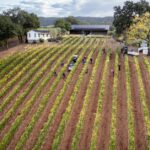
Drone mapping enables early identification of irrigation issues, disease pressure, and uneven vine vigor that may not be visible at ground level. Many vineyards also repurpose drone imagery for marketing and estate documentation.
3. Cloud Analytics and Mobile Apps
Data collection is only valuable if it informs action. Affordable vineyard management platforms and mobile applications can:
- Aggregate sensor and drone data
- Visualize vineyard variability
- Automate irrigation and task recommendations
- Improve record-keeping and compliance
These tools reduce guesswork and support consistent decision-making across the season. Integrating these tools with mechanization ROI analysis helps vineyard owners understand when investing in equipment or outsourcing tasks is worthwhile.
Expected Yield Improvements and Cost-Benefit Overview
The following table outlines typical costs and expected benefits for small to mid-sized vineyard operations adopting budget-friendly precision tools:
| Technology Component | Estimated First-Year Cost | Primary Benefit | Expected Improvement |
|---|---|---|---|
| Soil and Moisture Sensors (per zone) | $200–$500 | Reduced water use, improved irrigation timing | 10–25% water cost reduction |
| Drone with Mapping Capability | $1,500–$3,000 | Early stress detection, canopy analysis | 5–15% yield improvement |
| Analytics Software or App Subscription | $300–$800 annually | Better planning and input efficiency | Labor and input cost savings |
| Combined Precision Approach | Varies | Vineyard-wide optimization | 15–40% margin improvement potential |
Actual results vary depending on vineyard size, climate, soil diversity, and management practices.
Operational Benefits Beyond Yield
Improved Irrigation Efficiency
Sensor-driven irrigation decisions commonly result in 10–20% reductions in water usage during the first season, particularly in regions facing water constraints.
More Efficient Labor Allocation
Analytics platforms help schedule pruning, spraying, and harvest more accurately, reducing unnecessary labor hours and improving task timing.
Enhanced Fruit Quality Consistency
Early detection of vine stress enables targeted interventions, supporting uniform ripening and more predictable harvest outcomes.
Getting Started: A Practical Approach
- Start with one or two technologies rather than full-scale deployment
- Focus on problem areas first
- Review data regularly to identify patterns
- Expand tools gradually as value becomes clear
Precision viticulture is most effective when integrated into daily vineyard management rather than treated as a standalone system.
Why Precision Viticulture Matters for Smaller Vineyards
Precision tools allow smaller vineyards to compete on quality and efficiency by reducing waste, minimizing risk, and maximizing output from existing acreage. Rather than increasing inputs, precision focuses on using current resources more effectively.
Integrating precision viticulture with broader technology planning and mechanization decisions can help maximize ROI.
Conclusion
Precision viticulture does not require a large technology budget. With careful selection of affordable sensors, drones, and analytics platforms, small and mid-sized vineyards can improve margins, enhance fruit quality, and make more confident management decisions.
Clendenen Vineyard Management supports vineyard professionals by sharing practical insights and scalable solutions designed for real-world operations. Explore additional vineyard efficiency strategies, including mechanization ROI analysis and reducing labor costs, to further optimize vineyard performance