

Table of Contents
Seasonal vineyard planning is essential for vineyard owners who want to maximize yield, maintain vine health, and streamline operations throughout the year. By following a structured, month-by-month approach, vineyards can proactively manage labor, irrigation, pest control, and harvest timing.
At Clendenen Vineyard Management, we provide practical guidance and tools to help vineyards of all sizes stay on track—ensuring that each season builds on the success of the last. This guide includes a downloadable seasonal planning checklist to support strategic vineyard management and informed decision-making.
Month-by-Month Vineyard Planning Guide
January – Winter Dormancy Check
- Inspect trellises, irrigation systems, and vineyard infrastructure for winter damage
- Conduct soil tests and amend as needed for nutrient balance
- Plan pruning schedules and allocate labor for the upcoming season
- Review vineyard insurance and risk management strategies (UC Davis Viticulture research)
February – Pruning & Vine Health
- Begin dormant pruning for yield optimization
- Remove diseased or weak wood to reduce pest pressure
- Calibrate vineyard equipment and order supplies
- Schedule any grafting or varietal adjustments for strategic market positioning
March – Bud Break Preparation
- Apply preventative treatments for pests and diseases
- Check irrigation and drainage systems ahead of active growth
- Monitor soil moisture and temperature using precision viticulture tools (FAO sustainable irrigation practices)
April – Early Growth Monitoring
- Track bud break and shoot development
- Adjust fertilization based on soil test results
- Plan labor for canopy management and early vine maintenance
- Set up monitoring tools for water efficiency and disease detection
May – Canopy and Shoot Management
- Implement leaf thinning, shoot positioning, and trellis adjustments
- Monitor for early signs of pests or disease
- Begin irrigation scheduling for uniform growth and resource efficiency
June – Flowering and Fruit Set
- Monitor weather patterns for frost or hail risk
- Ensure nutrient and water supply matches vine demand
- Scout for disease and pest hotspots (Wine Business Monthly)
July – Veraison and Fruit Development
- Adjust irrigation and canopy management to support fruit ripening
- Sample berries for sugar and acid levels
- Prepare for potential summer labor needs
August – Peak Growth and Monitoring
- Continue irrigation and nutrient adjustments
- Monitor fruit maturity and vine health
- Finalize harvest plans, labor allocation, and equipment readiness
September – Harvest Execution
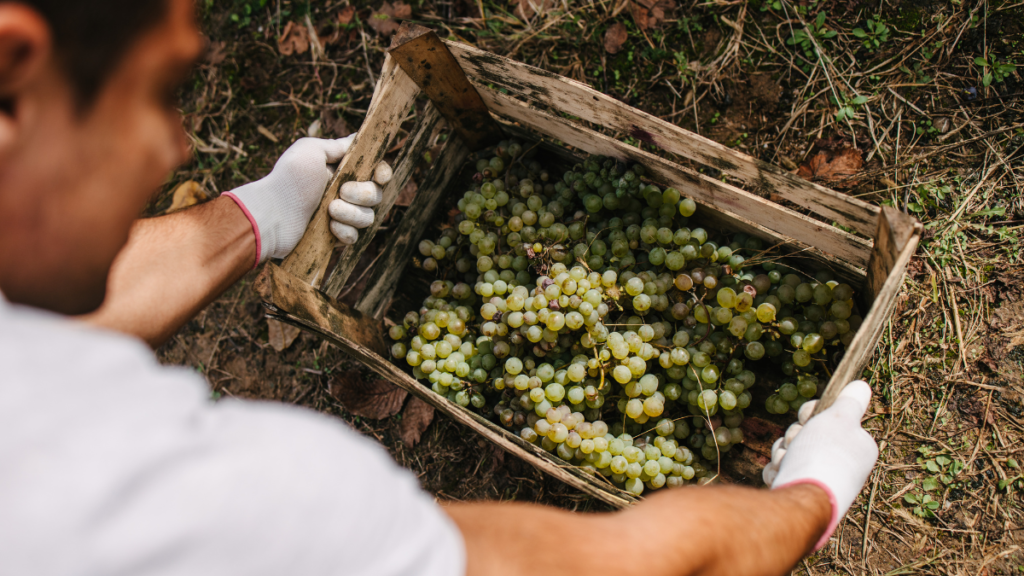
- Harvest grapes at optimal ripeness
- Coordinate labor, transport, and processing logistics
- Track yield and quality for record-keeping
October – Post-Harvest Review
- Clean and maintain equipment and storage areas
- Conduct post-harvest soil and vine assessments
- Begin planning for cover crops or soil amendments
November – Winter Prep
- Protect vines from frost or winter damage
- Update vineyard management records and budgets
- Plan grafting or replanting for the next season
December – Year-End Analysis
- Review performance metrics, yields, and quality
- Evaluate successes and areas for improvement
- Prepare budget, labor plans, and supply orders for the new year
Downloadable Seasonal Vineyard Planning Checklist
To make planning easier, download our month-by-month vineyard checklist. This tool helps vineyard managers:
- Track essential vineyard tasks each month
- Monitor labor and resource allocation
- Ensure nothing is overlooked for the upcoming growing season
Download the Seasonal Vineyard Planning Checklist
Why Seasonal Planning Matters
Following a structured planning approach ensures vineyard operations:
- Maximize yield and grape quality
- Reduce labor and input inefficiencies
- Mitigate risks from weather, pests, and disease
- Support long-term sustainability and profitability
By integrating insights from resources like FAO sustainable irrigation practices and UC Davis Viticulture research, vineyards can implement evidence-based practices that improve operational efficiency and resilience. For additional technology guidance, see precision viticulture tools, and for risk protection strategies, see vineyard risk management.