





Table of Contents
Strategic vineyard management is essential for improving profitability, optimizing yields, and increasing operational efficiency in vineyards of all sizes. By making targeted decisions around grafting, canopy management, and resource allocation, vineyard owners can achieve measurable financial results while maintaining high grape quality. For more guidance on year-round vineyard operations, see our seasonal vineyard planning checklist.
At Clendenen Vineyard Management, we work with vineyards to implement practices that are both sustainable and data-driven. This case study series highlights real-world examples showing how labor optimization strategies and strategic vineyard management directly increased profit and efficiency.
Case Study 1: Grafting for Improved Variety and Market Value
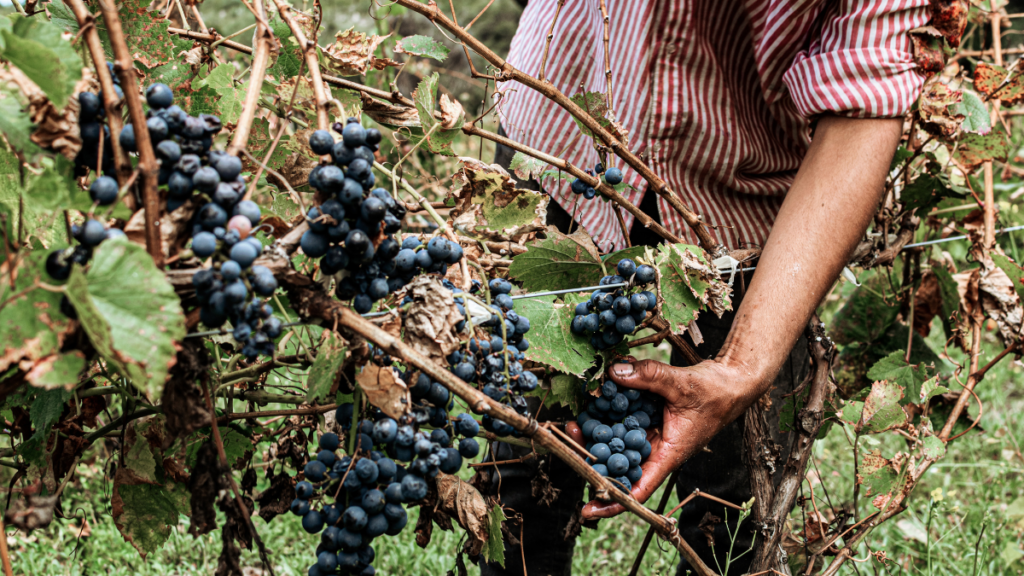
One mid-sized vineyard was facing declining sales because its existing varietal had lost popularity in the market. The vineyard team decided to implement a strategic grafting program, carefully selecting high-demand grape clones and grafting them onto existing rootstock.
As a result, the vineyard was able to:
- Increase production of market-preferred grapes by 25%, giving the winery access to higher-value markets
- Reduce replanting costs by utilizing existing vines and infrastructure rather than clearing and replanting entire blocks
- Enhance overall wine quality and consumer appeal, leading to stronger brand recognition and repeat buyers
This approach highlights how targeted grafting decisions, when combined with careful planning and execution, can generate measurable improvements in both yield and revenue without requiring massive capital investment. Additionally, the vineyard leveraged data on varietal performance and market trends to ensure the grafting choices aligned with long-term profitability goals.
Case Study 2: Optimizing Yield Through Canopy Management
Another vineyard experienced uneven canopy growth, which caused inconsistent grape ripening and affected overall fruit quality. The management team implemented precision canopy management techniques, including leaf thinning, selective pruning, and shoot positioning, to balance light exposure and airflow throughout the vines.
The results were impressive:
- A 15% increase in uniform yield per acre, improving predictability for harvest planning and sales
- Improved grape sugar levels and overall quality, which directly enhanced the wine produced
- Reduced labor costs by creating a more manageable canopy structure and streamlining maintenance tasks
This example demonstrates that small operational adjustments, guided by careful observation and measurement, can have a significant financial impact. By using consistent monitoring and fine-tuning vine management practices, the vineyard maximized productivity while maintaining high-quality fruit.
Case Study 3: Efficiency Gains with Data-Driven Decisions
A larger vineyard aimed to improve operational efficiency and reduce resource waste across multiple blocks. The team adopted a data-driven approach, integrating soil sensors, moisture tracking, and targeted irrigation schedules to make proactive decisions about water use, nutrient application, and labor deployment. They also referenced best practices for sustainable irrigation, such as those outlined by FAO sustainable irrigation practices, to maximize efficiency while supporting long-term vineyard sustainability.
The vineyard achieved measurable improvements, including:
- 20% reduction in water usage without compromising yield, supporting both cost savings and sustainability goals
- 10% savings in labor costs through optimized irrigation and harvest planning
- Early detection of pest or nutrient issues, minimizing crop losses and maintaining grape quality
This case illustrates that data-driven vineyard management can transform operational efficiency into measurable financial gains. By acting on real-time insights, managers were able to prevent small problems from becoming costly issues and optimize every aspect of vineyard production. For additional revenue strategies, see our guide on diversified vineyard revenue streams.
Key Takeaways from Strategic Vineyard Management
Across these case studies, several critical lessons emerge:
- Targeted interventions yield measurable results – Whether through grafting, canopy management, or data-driven irrigation, focused strategies directly contributed to higher revenue.
- Efficiency saves both time and money – Streamlined operations reduce labor and resource costs while maintaining or improving grape quality.
- Data and observation are powerful tools – Continuous monitoring of soil, vine health, and yields enables managers to act before small problems escalate.
- Strategic planning supports long-term sustainability – Thoughtful vineyard management improves profitability while preserving vine health and maintaining market competitiveness.
Why This Matters for Vineyard Owners
Vineyards that adopt strategic, measurable approaches to management are better positioned to:
- Increase profitability per acre
- Improve grape quality and market positioning
- Optimize labor, water, and input costs
- Build resilience against environmental or market variability
Real-world examples, like those outlined here, provide a concrete framework for vineyard owners considering similar strategies. By learning from measurable successes, vineyard managers can adopt practices that deliver both financial and operational improvements.