
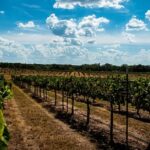

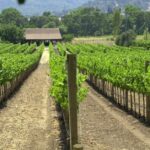
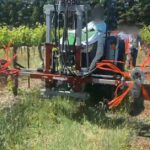
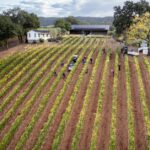
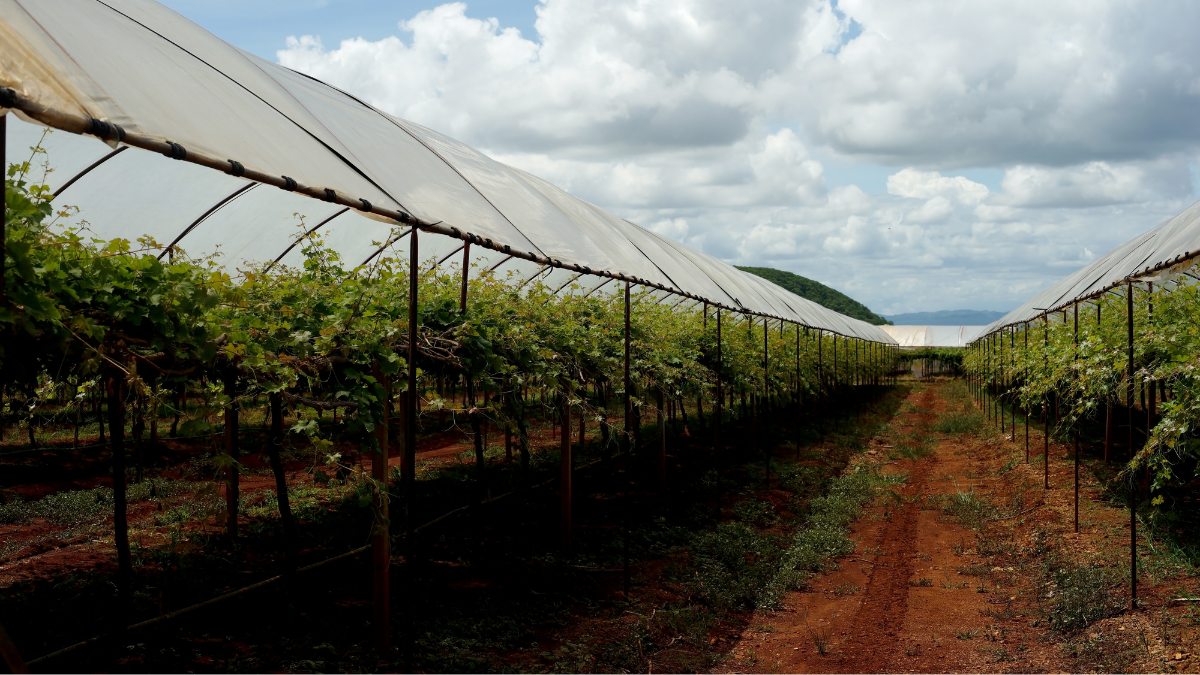

The quality of your wine starts underground. Healthy, well-managed soils directly influence vine growth, grape flavor, and the terroir expressed in every bottle.
At Clendenen Vineyards, we prioritize vineyard soil management as a cornerstone of sustainable winemaking. In this guide, we share 6 actionable tips to improve your vineyard soil management, boost terroir, and maximize grape quality in Sonoma County and surrounding regions. Ensuring effective vineyard soil management is vital for producing exceptional wines.

1. Understand Your Vineyard’s Soil Profile
Different soils provide different nutrients, drainage, and root support. Start with a thorough soil analysis:
- Measure pH, organic matter, and nutrient levels.
- Identify soil texture (clay, sand, loam) and drainage capacity.
- Map vineyard variability — soil conditions often change even within small blocks.
💡 Pro Tip: Understanding your soil allows you to tailor amendments and irrigation for each block, optimizing vine performance.
2. Improve Organic Matter and Microbial Health
Healthy soil teems with life — microbes, fungi, and beneficial bacteria all contribute to vine nutrition and flavor development.
- Add compost or well-aged manure to enrich organic content.
- Incorporate cover crops like clover, vetch, or mustard to enhance microbial activity.
- Minimize tillage to protect soil structure and microbial ecosystems.
Microbial-rich soil promotes nutrient uptake, drought resilience, and better overall vine health.
3. Manage Irrigation with Soil in Mind
Understanding vineyard soil management practices can greatly enhance your vineyard’s performance and grape quality.
Overwatering or poor irrigation management can damage soil structure and reduce terroir expression.
- Use drip irrigation for precision watering and reduced runoff.
- Monitor soil moisture regularly to avoid compaction or waterlogging.
- Adjust irrigation by soil type: sandy soils dry faster than clay-heavy soils.
Learn more about vineyard irrigation practices from UC Davis Viticulture & Enology Resources.
Smart irrigation practices ensure vines access water efficiently, supporting balanced grape development.
4. Use Cover Crops Strategically
Cover crops do more than prevent erosion — they actively improve soil quality:
- Fix nitrogen naturally to reduce fertilizer needs.
- Increase organic matter and improve water retention.
- Attract beneficial insects, improving vineyard biodiversity.
At Clendenen Vineyards, cover crops are rotated seasonally to match vine growth cycles and soil needs.
5. Monitor and Adjust Nutrient Levels
Regular soil testing is critical:
- Apply organic fertilizers tailored to vine needs.
- Avoid over-fertilization, which can reduce fruit quality and soil health.
- Track nutrient levels annually to maintain long-term balance.
Incorporating principles of vineyard soil management in your practices can optimize your vineyard’s output.
Balanced nutrients translate to consistent, expressive grapes.
For more guidance, see the Sustainable Winegrowing Alliance Soil Management Practices.
Vineyard soil management plays a crucial role in supporting balanced grape development.
6. Prevent Erosion and Soil Compaction
Soil is the foundation of terroir. Protect it by:
- Maintaining vegetative cover between vine rows.
- Limiting heavy machinery traffic to avoid compaction.
- Using contour planting or terraces on slopes to reduce erosion.
Healthy soil structure supports deep roots and resilient vines, enhancing grape complexity.
Final Thoughts
Terroir isn’t just about climate or grape variety — it starts in the soil. By improving organic matter, monitoring nutrients, managing irrigation, and preventing erosion, winemakers can cultivate soil that supports healthy vines and exceptional wines.
By utilizing effective vineyard soil management, we can enhance overall vineyard biodiversity.
At Clendenen Vineyards, careful attention to vineyard soil management allows us to craft wines that truly reflect the unique terroir of Sonoma County and surrounding regions.
Regular assessments of vineyard soil management practices ensure consistent and expressive grapes.
Related Posts
- Drip vs. Overhead Irrigation: What Works Best for Vineyards?
- Eco-Friendly Ways to Manage Vineyard Pests
- Winter Vineyard Maintenance Checklist
Effective vineyard soil management strategies lead to improved vineyard health and sustainability.
Practicing good vineyard soil management is essential to minimize soil compaction and erosion.
Ultimately, focusing on vineyard soil management will lead to healthier vines and exceptional wines.