



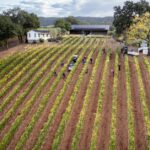



The wine industry is experiencing a downturn with 2025 predicted as a major surplus year. 2026 will focus on reducing excess supply. Market stabilization is expected around 2027. Vineyard owners must adjust their vineyard management during wine surplus periods to protect profitability.
We know the unique pressures affecting growers today. Our team at Clendenen Vineyard Management has seen market cycles shift. Currently, Sonoma County and North Bay vineyard regions face complex challenges.
Growers face fluctuating grape demand and rising vineyard operating costs. At the same time, changing consumer wine preferences are creating an inventory backlog. This makes long-term vineyard planning decisions more critical than ever.
This guide outlines wine market 2025, 2026 and 2027 projections. We will explain how to protect your assets through strategic operations. Understanding these wine industry trends will help you make informed choices.
Why the Wine Industry Is Facing a Downturn
The current wine industry downturn stems from several complex factors. Global wine supply has simply outpaced consumer demand. People are buying differently than they did a decade ago.
Younger generations are exploring alternative beverages over traditional wine. Economic pressures also reduce discretionary spending for premium bottles. These changes leave wineries with excess inventory in their cellars.
When wineries hold excess wine, they purchase fewer grapes. This creates a supply bottleneck that impacts growers directly. Uncontracted fruit becomes a significant financial liability.
Vineyard owners must rethink their farming approach completely. Continuing normal operations during a surplus is highly risky. You need to adjust your budget to remain financially viable.
What the 2025 Wine Surplus Means for Vineyard Owners
Industry forecasts point to a massive wine surplus in 2025. Unsold inventory from previous harvests remains stubbornly high. This backlog drastically limits the need for new fruit.
Growers will see softer demand for historically popular varietals. Grape prices may remain flat or even decline slightly. Securing favorable contract renewals will be extremely difficult.
Producing maximum tonnage without a guaranteed buyer is dangerous. Smart vineyard management during wine surplus years requires financial discipline. Growers must reduce farming costs wherever possible.
You cannot rely on outdated market assumptions. A realistic assessment of your vineyard’s profitability is necessary. Some blocks may need less water or fewer passes.
This is the time to optimize your farming practices. Precision agriculture can help lower chemical and labor costs. Protecting your baseline revenue is the ultimate goal.
How 2026 Will Focus on Reducing Excess Vineyard Production
The primary focus in 2026 will be market correction. The industry must reduce its overall grape supply. This correction is required to bring the market into balance.
Growers are actively looking at ways to adjust output. Many are exploring alternative operational methods to survive. These methods help minimize financial losses during slow periods.
Strategic decisions made now will define future success. You must evaluate which vineyard blocks are actually profitable. Underperforming vines may need to be addressed immediately.
Vineyard owners are actively considering these options:
- Reducing production
- Vineyard mothballing
- Vineyard removal
- Strategic vineyard maintenance
- Contract renegotiation with wineries

Why Some Vineyard Owners Are Mothballing or Removing Vineyards
Some growers are taking decisive action regarding their land. Removing vines or mothballing vineyards might sound drastic. However, these are highly strategic responses to market conditions.
There is a severe oversupply of grapes available. Wineries are heavily reducing grape purchases to clear backlogs. Rising operational costs make farming uncontracted grapes too expensive.
Changing wine consumption trends play a massive role. Farming a varietal that is no longer selling wastes capital. Pausing production or removing vines stops these financial losses.
Mothballing reduces farming inputs to the bare minimum. The vines stay alive but produce no commercial crop. This preserves the asset while waiting for market recovery.
Vineyard removal permanently alters the land use. Some owners are planting alternative crops entirely. Others are preparing the soil for future, more profitable varietals.
Why Experts Expect Market Stabilization by 2027
Market cycles always correct themselves over time. Analysts predict the wine industry will reach stabilization around 2027. By this time, the current inventory glut should clear.
Consumer demand is expected to align with reduced acreage. Wineries will have finally depleted their older backstock. This will naturally drive up demand for fresh fruit.
Growers who survive the current downturn will find opportunities. Buyers will eventually seek high-quality grapes again. Your property must be prepared for this positive shift.
Preserving the health of your soil is crucial. Maintaining core vineyard infrastructure is equally important. Your vineyard must be ready when the market rebounds.
Preparing for 2027 means making tough choices today. You need a sustainable plan to bridge the gap. Expert guidance makes this transition much smoother.
Vineyard Management Strategies During a Wine Surplus
Navigating a surplus requires strict operational discipline. You must focus on efficiency and waste reduction. Professional vineyard managers provide the guidance to protect investments.
Our team helps vineyard owners adapt to changing wine market demand. We implement custom farming plans that reduce unnecessary vineyard costs. Every dollar spent must deliver clear value.
We focus on preserving vineyard health during slow market cycles. Proper canopy management and soil nutrition remain vital. Neglecting vines now will cause irreversible damage later.
Clendenen Vineyard Management helps plan long-term vineyard sustainability. We evaluate your acreage to determine the best path forward. This ensures your property retains its maximum value.
We understand the nuances of the North Bay market. We know how to manage resources effectively. Let us help you safeguard your agricultural legacy.
Securing Your Legacy with Clendenen Vineyard Management
Planning for the future of your vineyard?
The Clendenen Vineyard Management team helps vineyard owners navigate changing wine market conditions with practical, long-term strategies.
📞 Call 707-473-0881
📧 Email info@clendenenvineyards.com
Let’s talk about how to position your vineyard for the next phase of the wine market.