



Table of Contents
Wine Education begins with understanding the grape harvest process, a crucial step in producing high-quality wines. At Clendenen Vineyard Management, we guide vineyards through every stage of harvesting to ensure grapes reach peak quality. From monitoring ripeness to transporting grapes to the winery, each stage impacts the final wine. Learn more about our professional vineyard management services and how we combine expertise with modern grape science and vineyard research.

1. Monitoring Grape Ripeness
The first step in a successful harvest is tracking grape ripeness. Grapes are tested for sugar levels (Brix), acidity, and tannins. Modern vineyard management uses digital sensors and lab testing to track these metrics, allowing vineyard managers to pick grapes at their optimal flavor and aroma profile.
Benefits:
- Ensures balanced sugar and acidity
- Maximizes flavor and tannin development
- Reduces the risk of overripe or underripe grapes
Proper grape farming practices help vineyards like Clendenen maintain consistent grape quality year after year. For scientific insights, consult the American Journal of Enology & Viticulture, a leading research journal on viticulture and winemaking.
2. Choosing the Right Harvest Method
The harvest method is critical in professional vineyard management. Options include:
- Hand Harvesting: Gentle on grapes, ideal for premium wines.
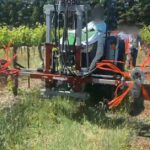
- Mechanical Harvesting: Efficient for larger vineyards and reduces labor costs.
Clendenen Vineyard Management selects the method based on grape variety, vineyard size, and wine style goals, reflecting best practices in grape farming.
Benefits:
- Maintains grape integrity
- Supports wine quality goals
- Improves efficiency in vineyard operations
3. Sorting Grapes
After harvesting, grapes are sorted to remove leaves, unripe fruit, or damaged berries. Proper sorting preserves grape integrity and ensures consistent wine quality.
Benefits:
- Reduces spoilage and fermentation issues
- Ensures only the best grapes reach the winery
- Supports premium wine production
For more on eco-conscious vineyard operations, see our sustainable vineyard practices blog.
4. Transporting Grapes Safely
Grapes are transported in temperature-controlled bins to prevent premature fermentation or damage. Professional vineyard management ensures grapes are moved carefully to the winery.
Benefits:
- Maintains freshness and quality
- Minimizes crushing or bruising
- Protects aroma and flavor compounds
Resources like Sonoma County vineyard resources provide additional guidance on vineyard best practices.
5. Crushing and Pressing Grapes
Once at the winery, grapes are crushed and pressed to extract juice for fermentation. Gentle handling preserves the grape’s flavor, aroma, and structure, ensuring the final wine reflects the vineyard’s best qualities.
Benefits:
- Preserves delicate aromas
- Supports desired tannin and flavor profile
- Ensures consistent fermentation
Tips for Wine Enthusiasts
- Observe hand vs. mechanical harvesting techniques
- Learn how professional vineyard management and grape farming practices affect wine quality
- Explore grape varieties in Sonoma County vineyards
- Explore the grape harvest process in our wine education blog
Conclusion
The journey from grape to glass is a fascinating blend of science, art, and careful vineyard management. Clendenen Vineyard Management ensures every stage—ripeness monitoring, harvesting, sorting, transport, and crushing—is executed with precision. By integrating expert grape farming practices, Sonoma County vineyards can produce exceptional wines that reflect both quality and sustainability.