

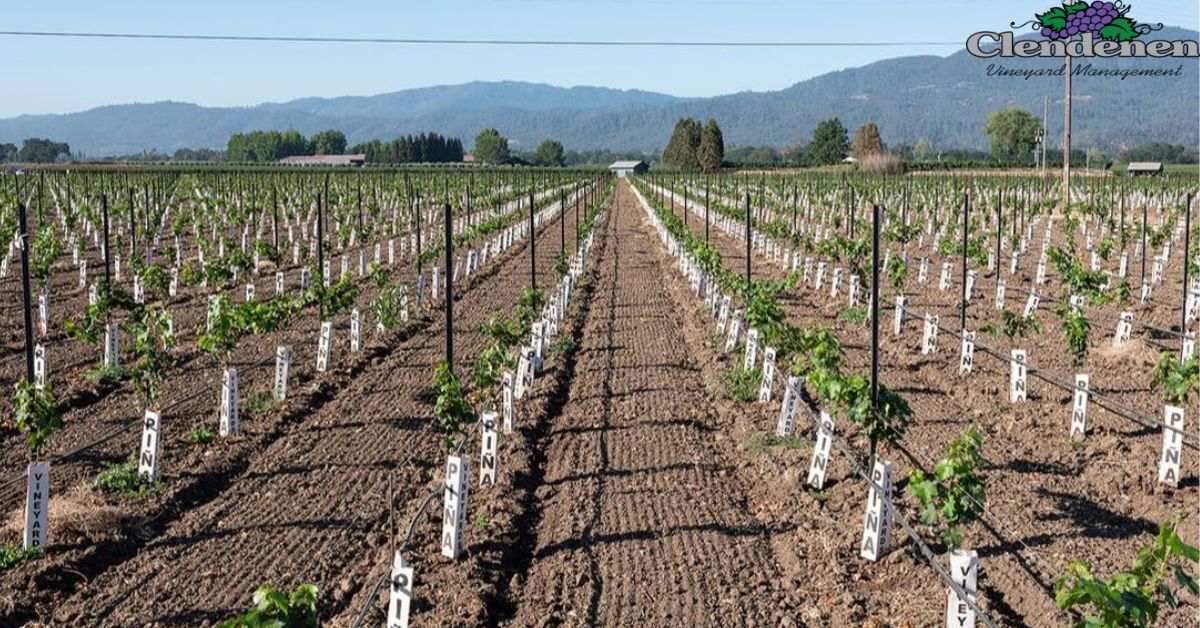

Mothballing Your Vineyard: Mothballing a vineyard means temporarily reducing farming practices to the absolute minimum required to keep vines alive. Vineyard owners choose this cost-effective strategy to significantly reduce operating expenses during market downturns while protecting their long-term agricultural investment and future harvest potential.
The current agricultural landscape presents unique challenges for growers. At Clendenen Vineyard Management, we hear the same concerns from our clients daily. Our vineyard management services help vineyard owners maintain healthy vines even during difficult market conditions. Rising vineyard operating costs are squeezing profit margins tight. The shifting dynamics of changing wine market conditions demand new financial approaches.
For family-owned vineyards and boutique wineries alike, the priority is survival. Napa and Sonoma County vineyard owners need reliable ways to weather this storm. Many are looking for methods to cut expenses without destroying their life’s work. They focus heavily on protecting long-term land value above all else.
This financial pressure is why growers across the region are adapting. From Healdsburg to Windsor, and from Petaluma to Santa Rosa and Napa, owners are exploring minimal farming strategies. We understand these localized pressures intimately. Our team is here to help you navigate these difficult choices with confidence.
Why More Vineyard Owners Are Mothballing Vineyards in 2026
The 2026 agricultural season carries the weight of a severe wine industry downturn. An ongoing oversupply in the market has driven grape prices down significantly. Simultaneously, the costs of labor, materials, and insurance continue to rise sharply.
Growers simply cannot afford standard farming practices when grapes lack guaranteed buyers. They desperately need cost-effective vineyard maintenance solutions to survive this cycle. Mothball vineyard management provides a financial pressure relief valve. It allows you to pause premium production without losing your underlying asset.
This approach minimizes cash burn during unprofitable years. It is a highly strategic vineyard management decision tailored for difficult times. By reducing your immediate financial output, you preserve capital for market recovery.
What “Minimal Vineyard Farming” Actually Means
Mothballing your vineyard does not mean you simply walk away from it. Minimal vineyard farming Sonoma County growers rely on is highly intentional. It is a calculated reduction of farming inputs to lower costs safely.
Normal farming focuses on maximizing crop yield and grape quality. Mothballing focuses entirely on basic vine survival and structural preservation. We strip away expensive aesthetic practices and yield-enhancing treatments completely.
This minimum maintenance requires precise timing to be effective. We still manage the property, but with a drastically reduced operational footprint. The goal is to keep the vines alive and structurally sound. When the market eventually rebounds, your vineyard will be ready to produce again.
How to Protect Your Vineyard While Reducing Costs
Cutting costs requires a scalpel, not a sledgehammer. You must maintain specific baseline practices to ensure your vines survive. Here are the core components of minimal vineyard farming.
Reduced irrigation strategies
Water management is critical during a mothballing phase. We reduce irrigation schedules to provide only the essential moisture vines need to survive. This prevents vines from dying while lowering water and electricity costs substantially.
Essential canopy and weed management
We eliminate cosmetic canopy work like precise leafing and shoot positioning. Instead, we perform only basic hedging to keep tractor rows clear. We manage weeds selectively to prevent severe competition for water and soil nutrients.
Soil health preservation
Your soil is the foundation of your long-term land value. We maintain basic cover crop management to prevent erosion during winter rains. Protecting the topsoil ensures your vineyard can bounce back quickly when full farming resumes.
Preventing vineyard disease while minimizing labor
You cannot skip disease control entirely, even during a downturn. Powdery mildew and trunk diseases can quickly decimate an unprotected vineyard. We apply a heavily reduced, strategic spray program to prevent catastrophic infections.
Is Your Vineyard a Good Candidate for Mothballing?
Not every property should be transitioned to minimal farming. Consider this quick vineyard owner checklist before making a decision.
- Age of vines: Mature vines handle minimal inputs much better than young, developing vines.
- Disease status: Vineyards with severe virus issues may decline too rapidly under reduced care.
- Water availability: You still need reliable access to minimum survival irrigation.
- Market outlook: Are you holding the land for future sale or future production?
If your vines are generally healthy but financially unviable this year, mothballing makes sense.
The Risks of Completely Abandoning a Vineyard
Some owners consider simply locking the gate and walking away. Complete abandonment is incredibly dangerous and ultimately more expensive.
Abandoned vineyards quickly become breeding grounds for severe pests and invasive diseases. Unmanaged canopies create massive fungal outbreaks that can spread to neighboring properties. Dead or dying vines attract pests that can ruin the soil for years.
Furthermore, abandoned land loses its agricultural value almost immediately. If you decide to sell later, buyers will heavily discount the property. Reviving an abandoned vineyard often requires completely tearing out the dead vines and replanting. Minimal vineyard farming protects your asset from this irreversible decline.
Why Professional Vineyard Management Matters Even During Mothballing
Managing a vineyard during a wine industry downturn requires deep expertise. Attempting to manage a mothballed property yourself can lead to costly mistakes. A professional vineyard review can identify potential risks before they become expensive problems. Missing a critical survival spray or misjudging irrigation can kill the vines.
At Clendenen Vineyard Management, we know exactly where to cut costs safely. We balance your financial constraints with the biological needs of your vineyard.
DIY Vineyard Mothballing vs Professional Vineyard Management
| Factor | DIY Minimal Farming | Clendenen Vineyard Management |
| Cost Control | Moderate | Optimized long-term |
| Vineyard Health | Risk of decline | Professionally maintained |
| Pest & Disease Monitoring | Often missed | Regular monitoring |
| Long-Term Vineyard Value | Can decrease | Protected investment |
Hiring professionals ensures your cost-saving measures do not cause permanent damage. We provide the essential oversight needed to protect your future returns.
Secure Your Investment with Clendenen Vineyard Management
Navigating this challenging market requires clear strategies and experienced partners. Mothballing a vineyard safely is the best way to bridge the gap to better years. You do not have to face these difficult decisions alone.
Thinking about mothballing or minimally farming your vineyard?
The Clendenen Vineyard Management team can help protect your vineyard while reducing operational costs.
Contact Us– Call 707-473-0881 or email info@clendenenvineyards.com to discuss your vineyard management options today.