


Table of Contents
Sustainable vineyard practices are essential for modern winemaking, and Clendenen Vineyard Management is at the forefront of helping vineyards in Sonoma County implement eco-friendly, efficient, and high-quality grape-growing operations. By combining modern technology, thoughtful vineyard management techniques, and environmentally conscious methods, Clendenen Vineyard Management shows how sustainability and productivity can go hand-in-hand.
Why Sustainable Vineyard Practices Matter
Vineyards face unique environmental challenges, including soil health, water conservation, and chemical use. Implementing sustainable vineyard practices helps:
- Conserve natural resources: Efficient irrigation and soil management reduce water and fertilizer use.
- Support ecosystem health: Encouraging biodiversity and beneficial insects creates a balanced vineyard environment.
- Ensure long-term productivity: Healthy soils and responsible vineyard management result in consistently high-quality grapes.
For further insights into vineyard sustainability research, see the American Journal of Enology & Viticulture, a leading journal on eco-friendly vineyard practices.
Key Sustainable Practices by Clendenen Vineyard Management
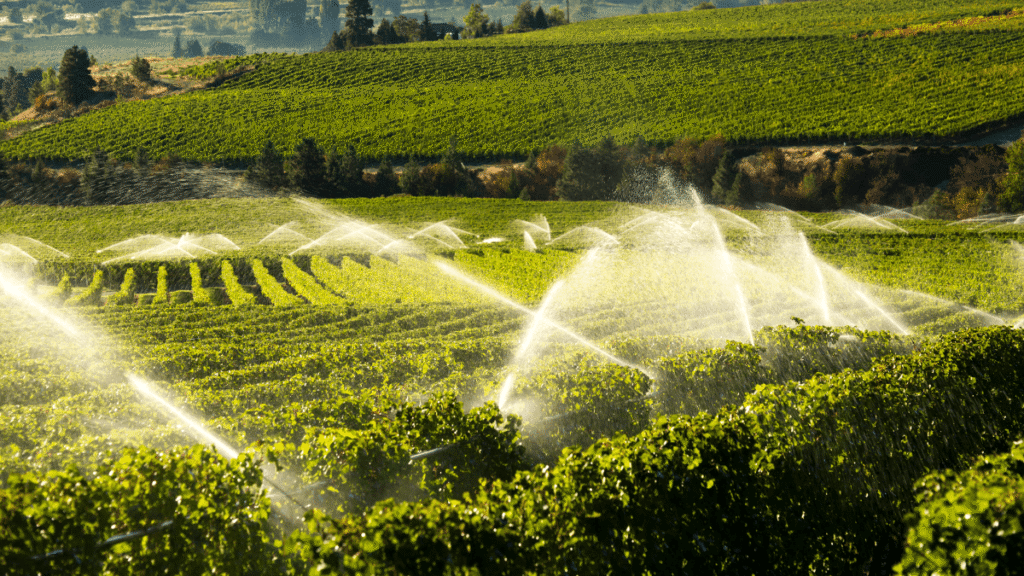
1. Smart Irrigation and Water Conservation
Clendenen Vineyard Management implements smart irrigation systems equipped with soil moisture sensors. These systems deliver water only when needed, conserving resources while maintaining grapevine health. Remote monitoring allows managers to make data-driven irrigation decisions in real time.
2. Integrated Pest Management (IPM) and Organic Practices
Instead of relying solely on chemical pesticides, Clendenen Vineyard Management uses Integrated Pest Management (IPM) techniques. Beneficial insects, natural predators, and targeted interventions protect vines while minimizing chemical use. Organic fertilizers and soil amendments further support sustainable grape-growing practices.
3. Soil Health and Cover Crops
Healthy soil is the foundation of vineyard sustainability. Clendenen Vineyard Management plants cover crops between vine rows to improve soil structure, prevent erosion, and promote microbial activity. This natural approach reduces the need for synthetic fertilizers and helps vines thrive.
4. Energy-Efficient Equipment and Vineyard Tools
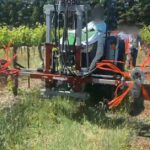
Modern vineyard equipment is not only efficient but eco-friendly. Tractors, sprayers, and harvesters are selected for low emissions and fuel efficiency. Clendenen Vineyard Management focuses on reducing overall energy consumption while maintaining high productivity and quality.
5. Commitment to Local Ecosystems
Biodiversity is a key part of sustainable vineyard practices. Clendenen Vineyard Management preserves natural habitats, supports pollinators, and promotes ecosystem health across Sonoma County vineyards, creating a balanced environment that benefits both grape production and the surrounding land.
Benefits of Sustainable Vineyard Practices
- Reduced environmental impact
- Higher grape quality and consistency
- Cost savings over time through efficient resource use
- Enhanced reputation among eco-conscious consumers
By partnering with a professional vineyard management company like Clendenen Vineyard Management, vineyards can adopt sustainable vineyard practices at every stage, from planting to harvest, while boosting operational efficiency and environmental responsibility.
Conclusion
Sustainable vineyard practices aren’t just trends—they are essential for the future of winemaking. Clendenen Vineyard Management combines smart irrigation, organic and IPM methods, soil health practices, and energy-efficient equipment to set a standard for eco-friendly vineyard management in Sonoma County. By implementing these practices, vineyards can produce exceptional grapes while protecting the environment for years to come.