

Table of Contents
Vineyard mechanization is transforming the way vineyards operate, offering growers opportunities to reduce labor costs, improve efficiency, and maintain high-quality yields. From tractors and sprayers to mechanical harvesters, investing in equipment can be a game-changer—but it’s not always the right decision. Many vineyard managers struggle to determine whether to purchase machinery or outsource seasonal tasks. For insights into automation and sensor technology, mechanization decisions are closely tied to vineyard tech adoption.
At Clendenen Vineyard Management, we help vineyard owners evaluate mechanization options and calculate ROI so they can make informed, profitable decisions. Integrating mechanization with labor efficiency improvements ensures operations are optimized for both people and equipment.
Understanding Vineyard Mechanization
Mechanization in vineyards covers a range of tasks:
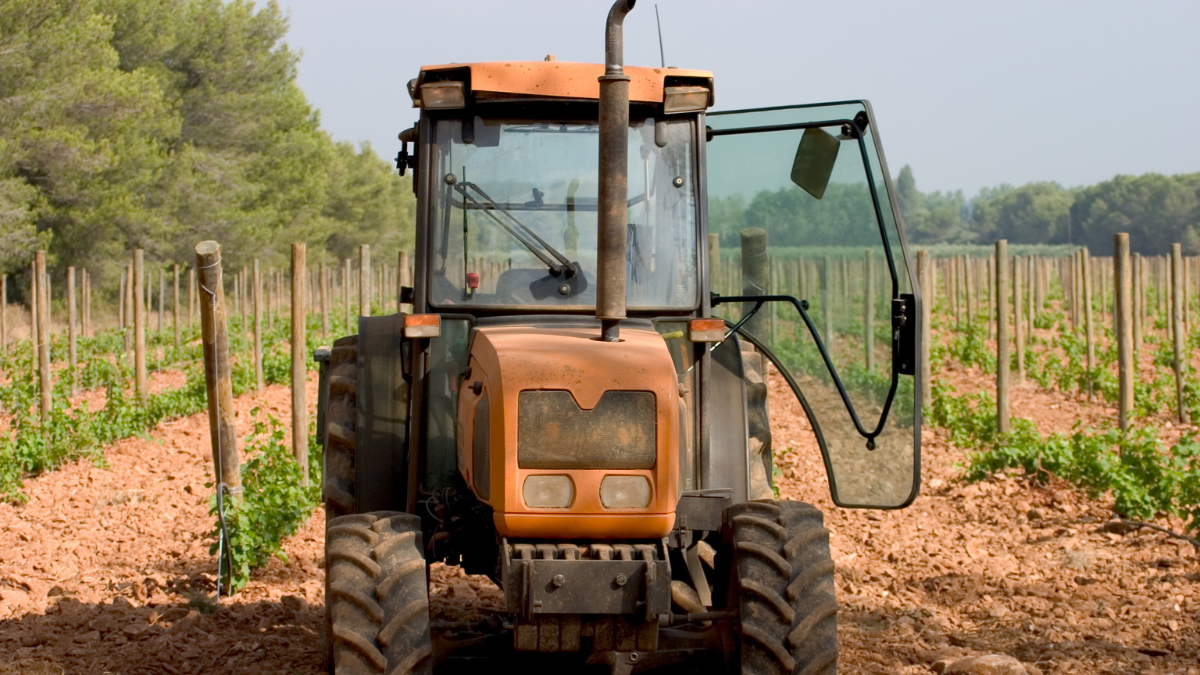
- Tractors for soil preparation, mowing, and spraying
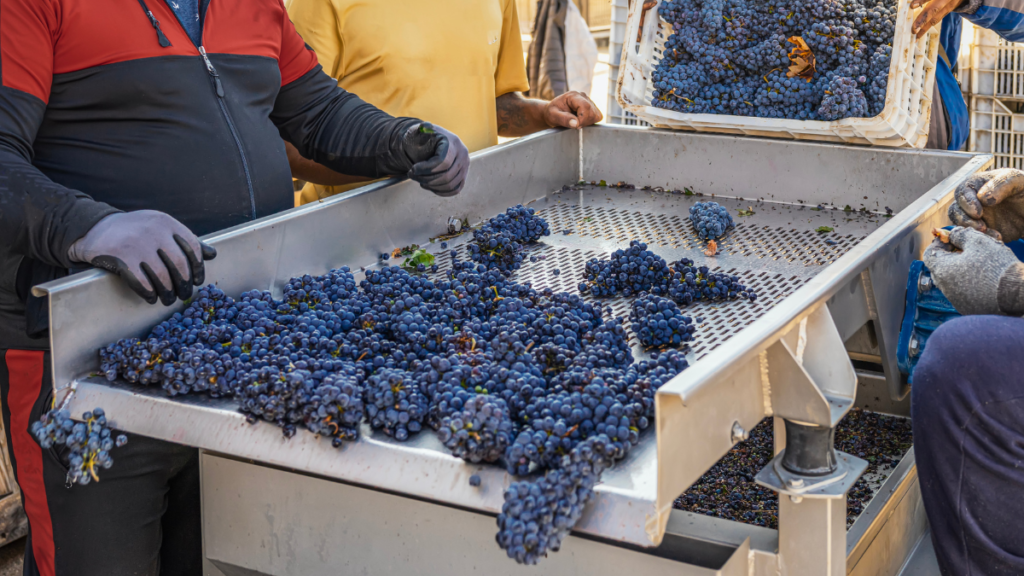
- Mechanical harvesters for efficiently picking grapes during peak season
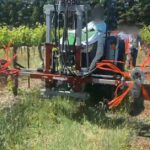
- Sprayers for precise pesticide, herbicide, or foliar nutrient applications
Each piece of equipment requires an upfront investment, ongoing maintenance, and training for operators. While mechanization reduces labor dependency, it also comes with costs and operational considerations that must be carefully evaluated. Proper mechanization planning supports profit-driven vineyard decisions and overall vineyard profitability.
Mechanization can also improve consistency. For example, a mechanical sprayer applies chemicals evenly across the vineyard, reducing human error. Mechanical harvesters allow grapes to be picked quickly and efficiently, minimizing exposure to heat and preserving fruit quality. These benefits, combined with labor savings, make mechanization an attractive option for many vineyard managers.
Calculating ROI
Before purchasing vineyard equipment, it’s essential to calculate the return on investment (ROI). Key factors include:
- Purchase cost – Include financing, taxes, shipping, and setup.
- Operational cost – Fuel, maintenance, insurance, and depreciation.
- Labor savings – How much labor time and expense does the equipment reduce?
- Impact on yield and grape quality – Will mechanization maintain or improve grape production?
For example, a mechanical harvester costing $200,000 that saves $40,000 in seasonal labor per year would break even in five years, not accounting for maintenance or efficiency improvements. Proper ROI analysis helps vineyard managers determine if mechanization aligns with profit-driven vineyard decisions.
Outsourcing as an Alternative
In some cases, outsourcing vineyard tasks is more cost-effective than purchasing equipment, particularly for smaller vineyards or operations with fluctuating seasonal needs. Contractors bring trained operators and machinery, freeing vineyard managers to focus on canopy management, irrigation, and soil health.
Outsourcing also reduces financial risk since there’s no need to maintain or store expensive machinery. However, relying on third-party providers can limit scheduling flexibility and timing during critical periods, such as harvest. For vineyards that only require specialized tasks occasionally—like hedging or frost protection—outsourcing may be the most practical solution.
Factors to Consider
When deciding between mechanization and outsourcing, consider:
- Vineyard size and layout – Larger vineyards often benefit more from mechanization.
- Labor availability and cost – High labor costs make equipment investments more attractive.
- Equipment lifespan and resale value – Durable machinery can provide long-term savings.
- Operational flexibility – Outsourcing may be better for seasonal spikes or specialized tasks.
- Quality control – Mechanization may provide more consistent results than temporary crews.
Clendenen Vineyard Management works with vineyard owners to evaluate these factors and create customized strategies for equipment investment and labor management.
Bottom Line
Deciding when to invest in vineyard mechanization versus outsourcing is a critical part of vineyard management. By analyzing costs, labor savings, break-even points, and operational needs, vineyard managers can make strategic decisions that maximize efficiency, reduce expenses, and maintain high-quality yields. Whether purchasing equipment or outsourcing labor, proper mechanization planning supports profit-driven vineyard decisions and integrates with broader vineyard tech strategies like automation and sensor technology.
Whether purchasing equipment or outsourcing labor, Clendenen Vineyard Management provides the expertise and guidance necessary to ensure vineyard operations remain productive, efficient, and sustainable. Proper mechanization planning, combined with professional vineyard management, ensures that vineyards continue to thrive and produce top-quality grapes year after year.