

Table of Contents
- Winter Pruning for Healthy, Balanced Vines
- Assess and Improve Soil Health
- Inspect and Maintain Irrigation Systems
- Pest Monitoring and Control During Dormancy
- Check Trellises and Vineyard Infrastructure
- Review Vineyard Performance and Plan Ahead
- Final Thoughts on Winter Vineyard Care
How to prepare a vineyard for winter involves protecting your vines, improving soil conditions, and completing key maintenance tasks that support spring growth.
At Clendenen Vineyards, we help both new and established vineyard owners safeguard their investment, enhance yields, and maintain vine health through comprehensive vineyard management services tailored to Sonoma County’s unique conditions.
Winter is a crucial time for vineyard management. As vines enter dormancy, proper winter care sets the stage for a healthy growing season, improved yields, and higher-quality wine. Whether you oversee a small boutique vineyard or a larger estate, following a structured winter vineyard maintenance plan ensures your vines remain strong, productive, and resilient year after year.
This guide outlines the essential steps for winter vineyard care, focusing on sustainable practices that protect both your vines and the environment.
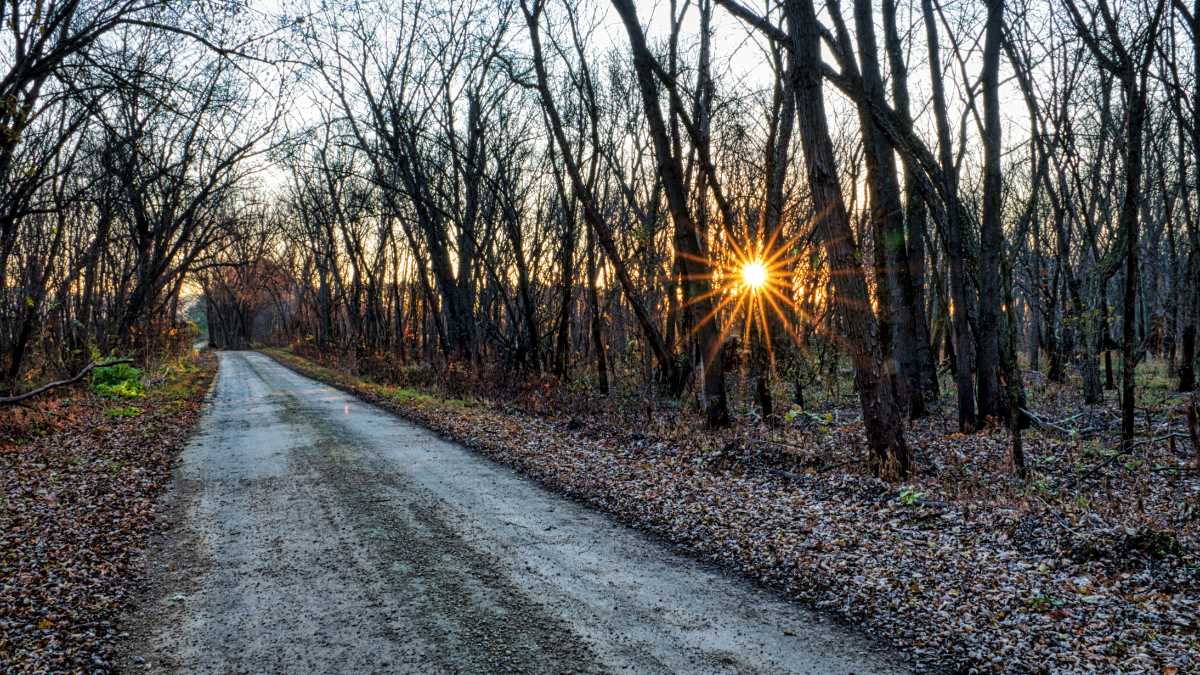
How to Prepare a Vineyard for Winter: Step-by-Step Checklist
1. Winter Pruning for Healthy, Balanced Vines
Winter pruning is one of the most important vineyard tasks. Removing excess or diseased wood promotes balanced growth, improves airflow, and allows sunlight to reach the canopy.
Key tips for pruning:
- Begin pruning after leaves have fallen and vines are fully dormant (typically December to February in California).
- Remove dead, damaged, or diseased canes.
- Maintain vine shape to encourage healthy growth and fruit production.
Pro Tip: Sanitize pruning tools between vines to prevent the spread of disease.
2. Assess and Improve Soil Health
Healthy soil is the foundation of a successful vineyard. Winter provides the perfect opportunity to test, amend, and enrich your soil in preparation for spring.
Soil management steps:
- Test for nutrient levels, including nitrogen, phosphorus, and potassium.
- Add compost or organic matter to enhance fertility.
- Check soil pH to ensure optimal nutrient uptake.
At Clendenen Vineyards, sustainable soil management is a priority, helping preserve the unique terroir of Santa Barbara County and supporting long-term vine health.
3. Inspect and Maintain Irrigation Systems
Even during dormancy, irrigation systems require attention to ensure they are fully functional for spring.
Irrigation maintenance checklist:
- Flush lines and filters to remove debris or buildup.
- Replace worn emitters, tubing, or connectors.
- Test water pressure and distribution coverage for uniform irrigation.
Proper irrigation maintenance saves water, reduces stress on vines, and supports overall vineyard health.
4. Pest Monitoring and Control During Dormancy
Pests can continue to affect vines even in winter. Dormant vines are vulnerable to damage from gophers, mealybugs, mites, and other pests.
Pest management strategies:
- Inspect for burrows, webs, or feeding activity.
- Implement eco-friendly control measures, including beneficial insects or natural deterrents.
- Maintain vineyard cleanliness to minimize overwintering habitats for pests.
Sustainable pest management promotes healthy vines and aligns with environmentally conscious winemaking practices.
5. Check Trellises and Vineyard Infrastructure
Strong trellises and well-maintained vineyard infrastructure support efficient vine training and harvest operations.
Infrastructure maintenance tips:
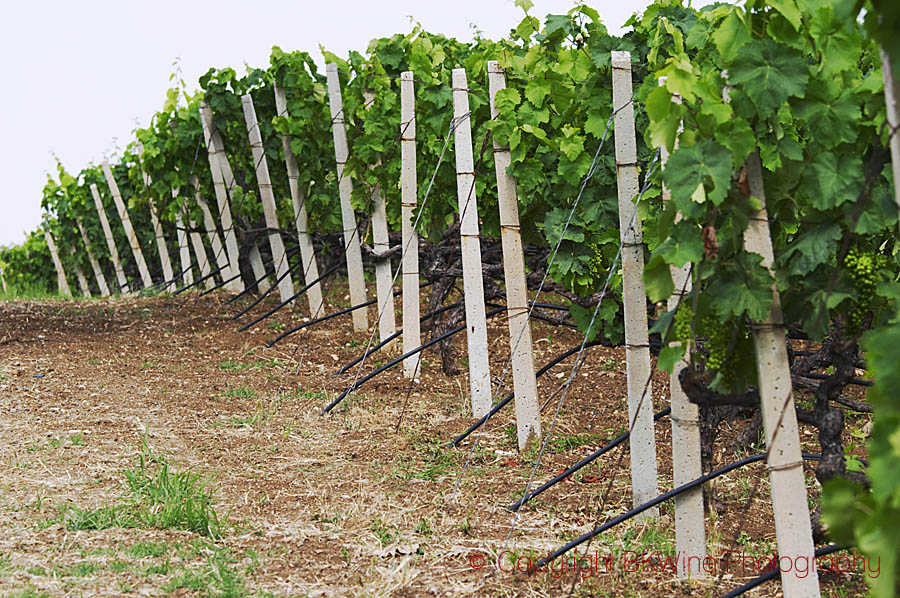
- Tighten trellis wires and repair any damage.
- Replace broken posts, anchors, or supports.
- Remove debris, weeds, and fallen branches from vine rows.
Regular inspections prevent costly damage and ensure smooth vineyard management throughout the season.
6. Review Vineyard Performance and Plan Ahead
Winter is an ideal time to analyze vineyard data and plan improvements for the next growing season.
Planning actions:
- Review last year’s yield, Brix levels, irrigation records, and overall vine health.
- Identify trends and set new production or quality goals.
- Schedule equipment maintenance, upgrades, or staff training.
Strategic winter planning ensures a more efficient and successful spring season.
Final Thoughts on Winter Vineyard Care
Winter vineyard maintenance is about preparation, prevention, and sustainable practices. By pruning carefully, testing soil, inspecting irrigation systems, managing pests, and planning ahead, you give your vines the best chance to thrive when spring arrives.
At Clendenen Vineyards, we believe that thoughtful vineyard care not only protects the land but also produces wines that truly reflect their terroir.